Send us a text

Excavation is the initial phase of most construction projects, involving the removal of soil and rock to create a level foundation. In green building, the excavation process is more than just digging and moving earth. It's about precision and strategic planning to ensure minimal disruption to the natural environment. By using advanced technology and techniques, excavation becomes a critical enabler of sustainable construction practices.
One of the key contributions of excavation to green building development is site optimization. Proper excavation allows for the strategic placement of buildings to maximize natural light and reduce energy consumption. By carefully analyzing sun patterns and terrain, excavators can help architects and engineers position buildings in a way that takes advantage of passive solar heating and cooling. This strategic orientation significantly reduces the need for artificial heating and cooling, leading to lower energy use and a smaller carbon footprint.
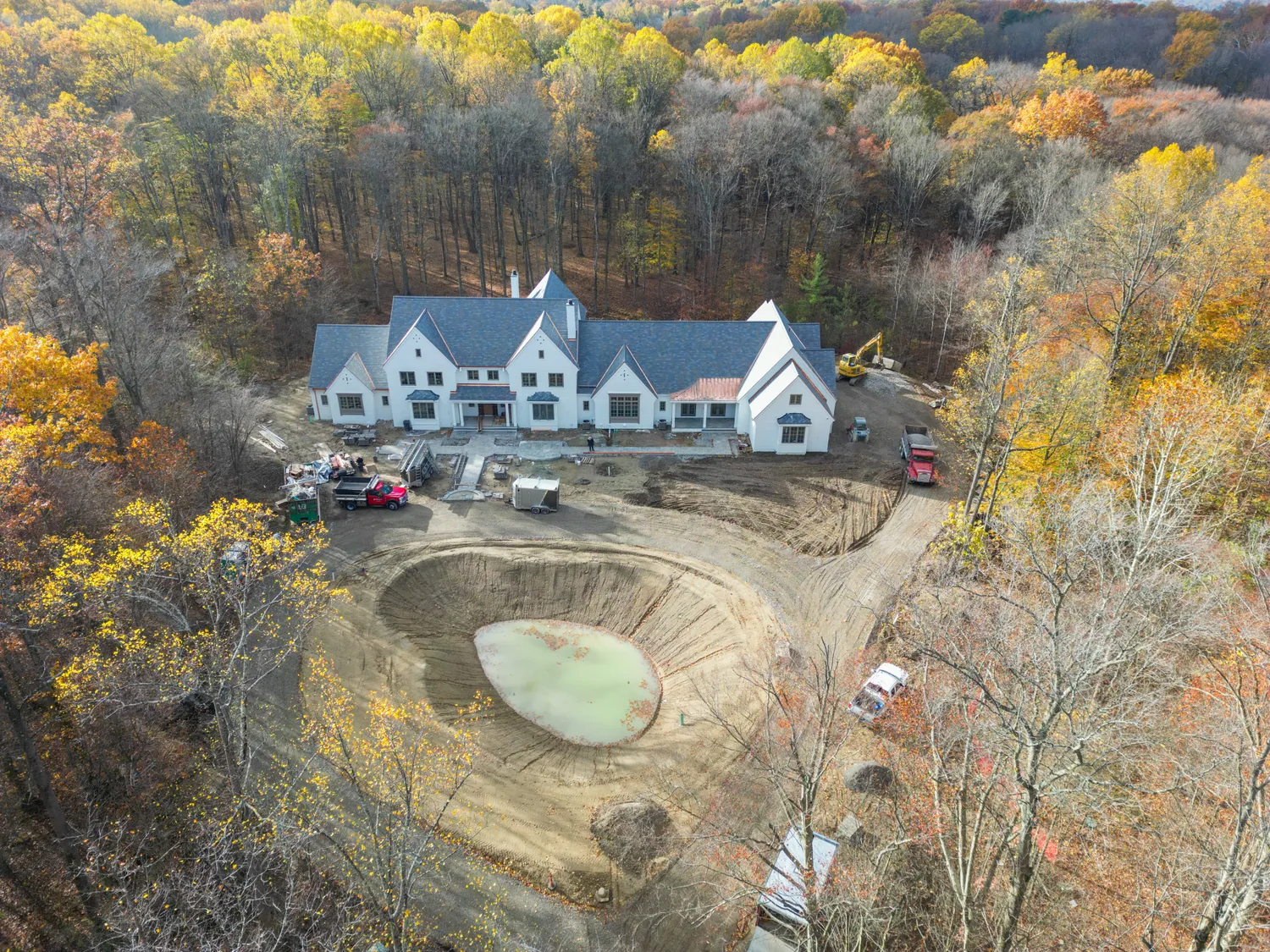
Moreover, excavation in green buildings often involves site preparation for natural stormwater management systems. Instead of relying on chemically treated water systems, green buildings utilize retention basins and swales, which are created during the excavation phase. These systems mimic natural processes, managing stormwater runoff more effectively and reducing the risk of erosion and flooding. As a result, the surrounding ecosystem remains protected, and the building's water efficiency is enhanced.
Another critical aspect is the reuse and recycling of excavated materials. In traditional construction, excavated earth is frequently considered waste and is often removed from the site. However, in a green building context, these materials can be repurposed or recycled, reducing the demand for new resources. For instance, excavated soil can be used in landscaping, while rocks can be incorporated into retaining walls or decorative features. This practice not only cuts down on waste but also conserves resources, supporting the overall sustainability of the project.
Advanced excavation technologies have also contributed to the precision and efficiency of green building developments. The use of GPS and laser-guided equipment ensures that the earth-moving process is as accurate as possible, reducing unnecessary excavation and preserving surrounding habitats. Furthermore, fuel-efficient machinery lowers emissions, aligning the excavation process with the broader goals of green construction.
In conclusion, excavation is a fundamental yet underappreciated component of green building developments. By emphasizing precision, site optimization, water management, material reuse, and technological advancements, excavation not only lays the foundation for sustainable structures but also enhances their overall environmental performance. As the demand for greener, more energy-efficient buildings continues to grow, the role of excavation will become even more crucial in shaping the eco-friendly landscapes of tomorrow.
Our expertise in sustainable excavation practices ensures that your green building projects are not just groundbreaking in design but also rooted in environmental responsibility. Partner with us to pave the way for a more sustainable future, one foundation at a time.
Book an appointment today.